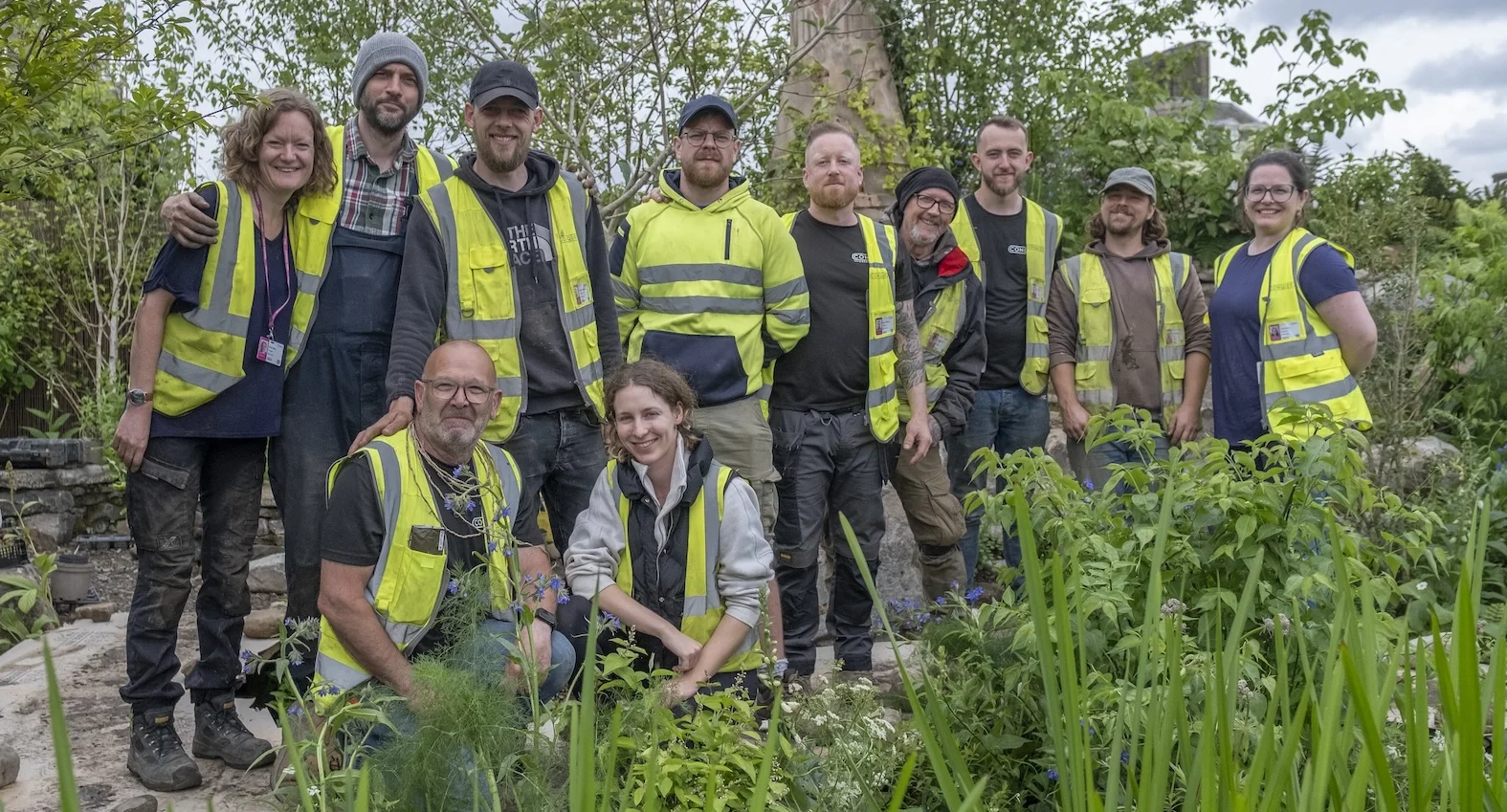
Design narrative
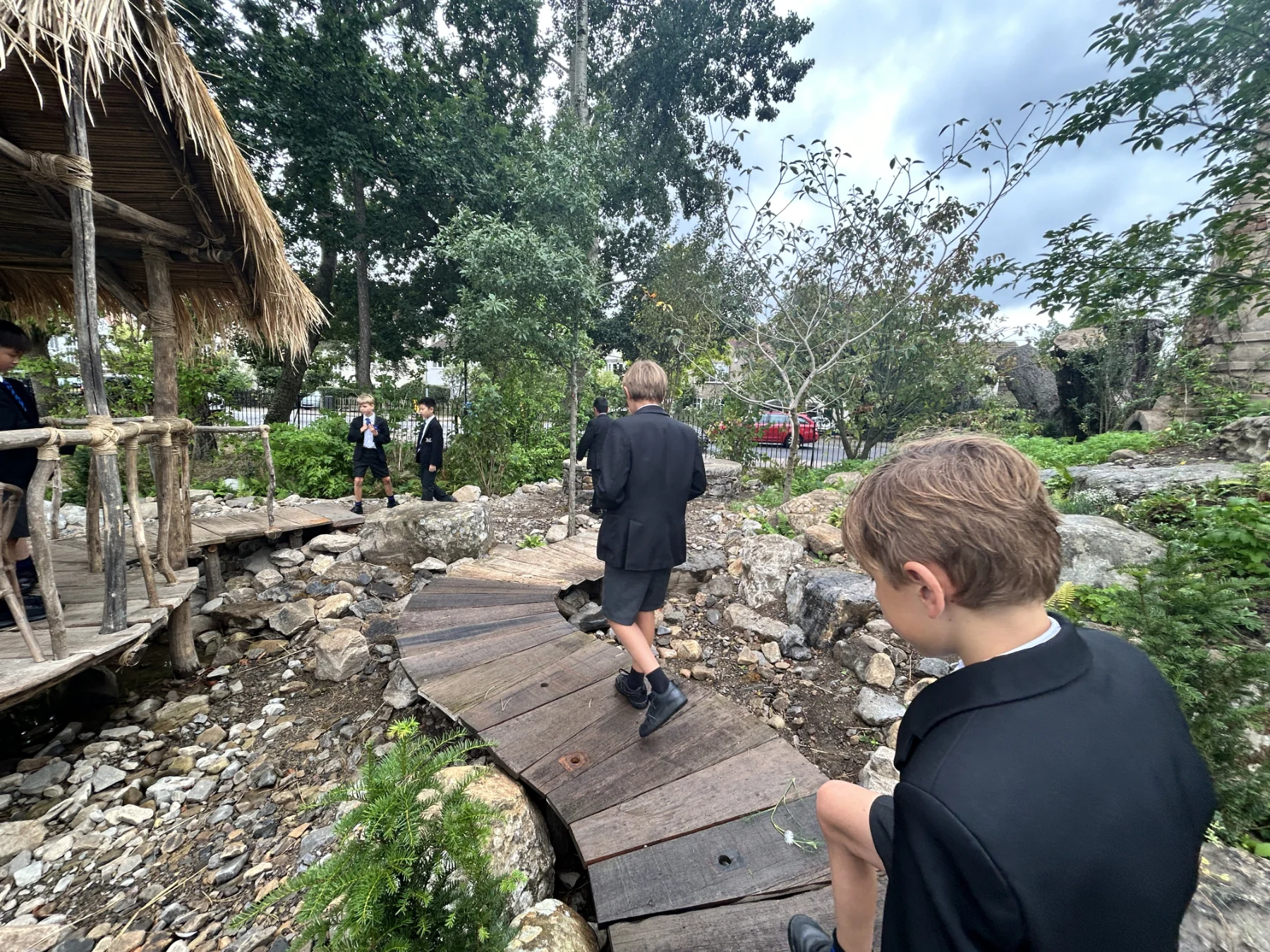
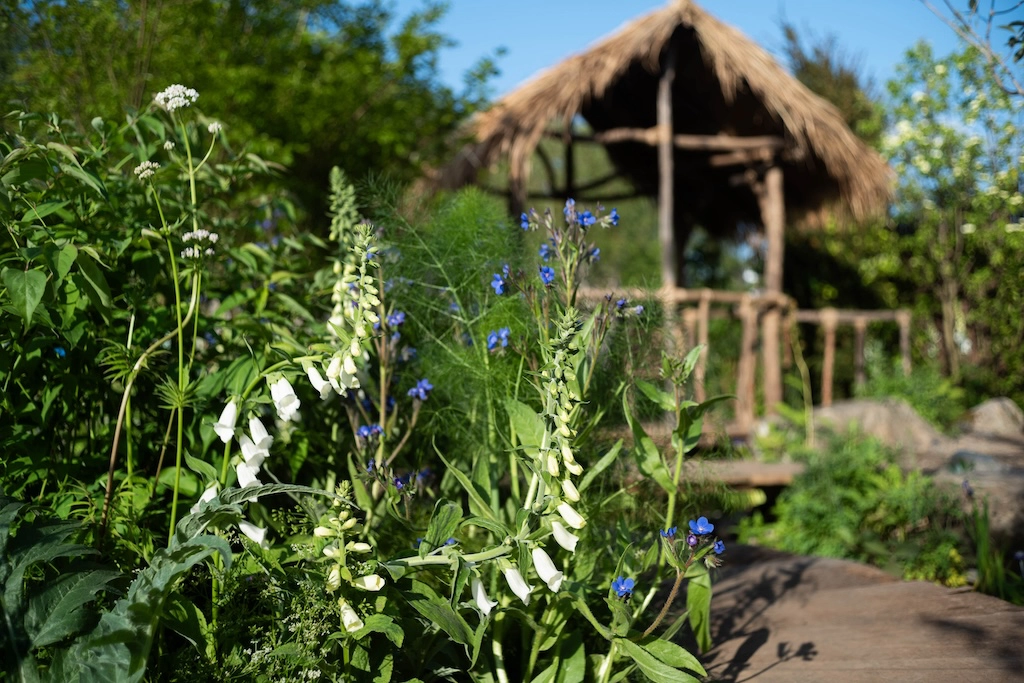
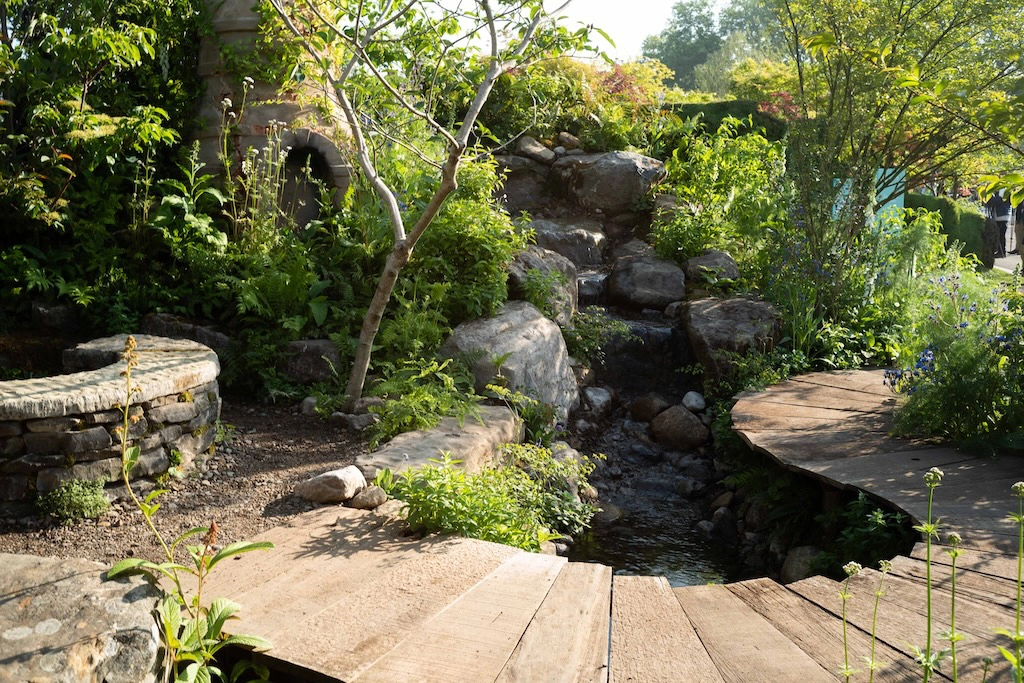
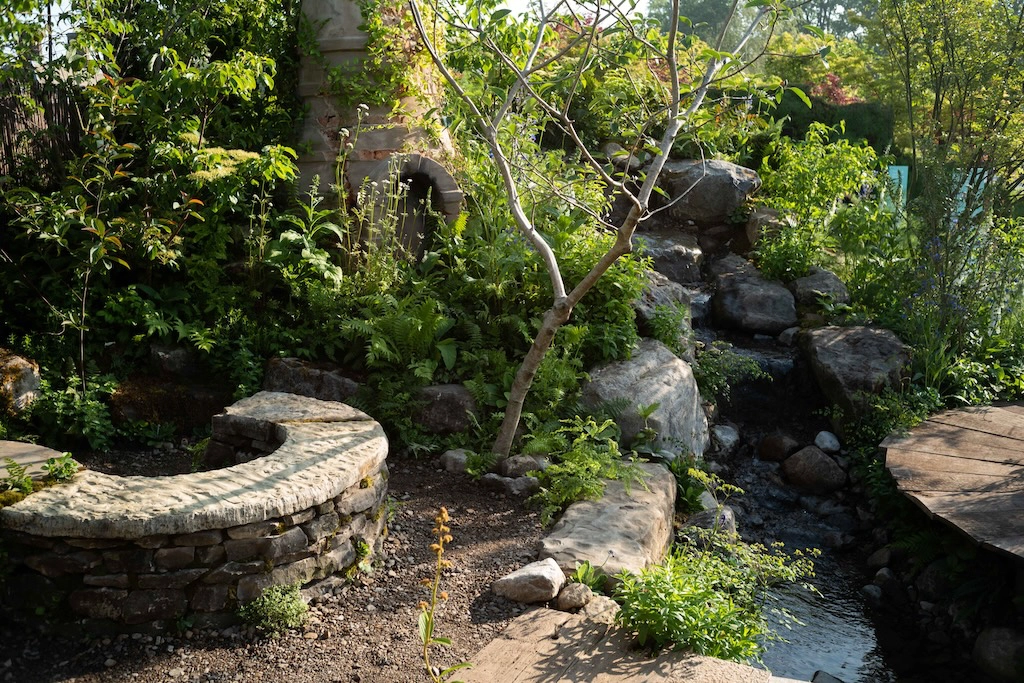
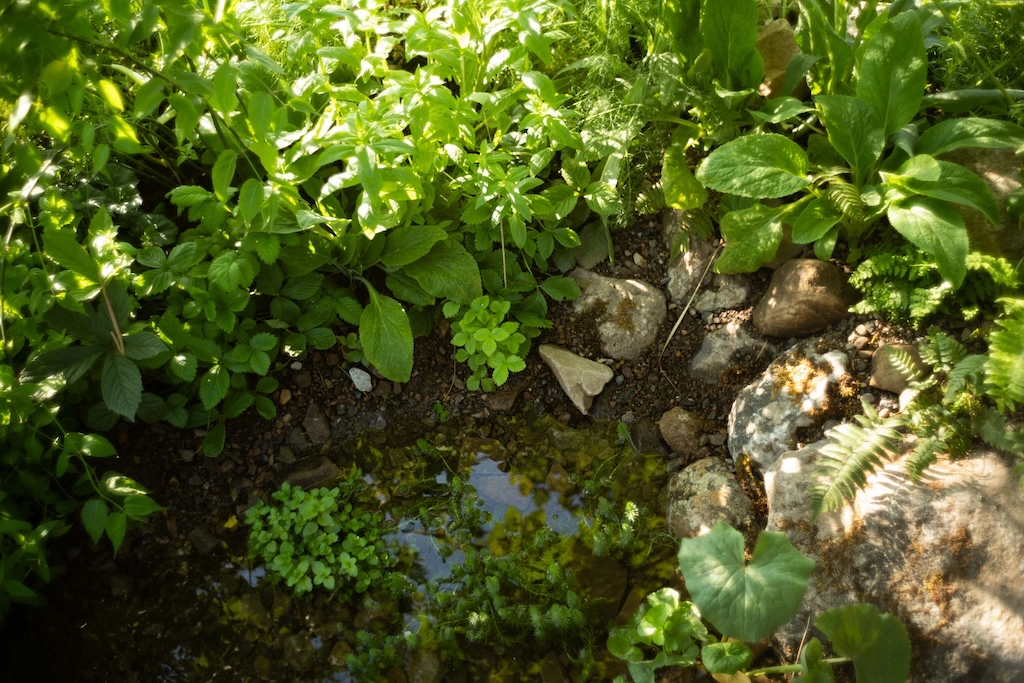
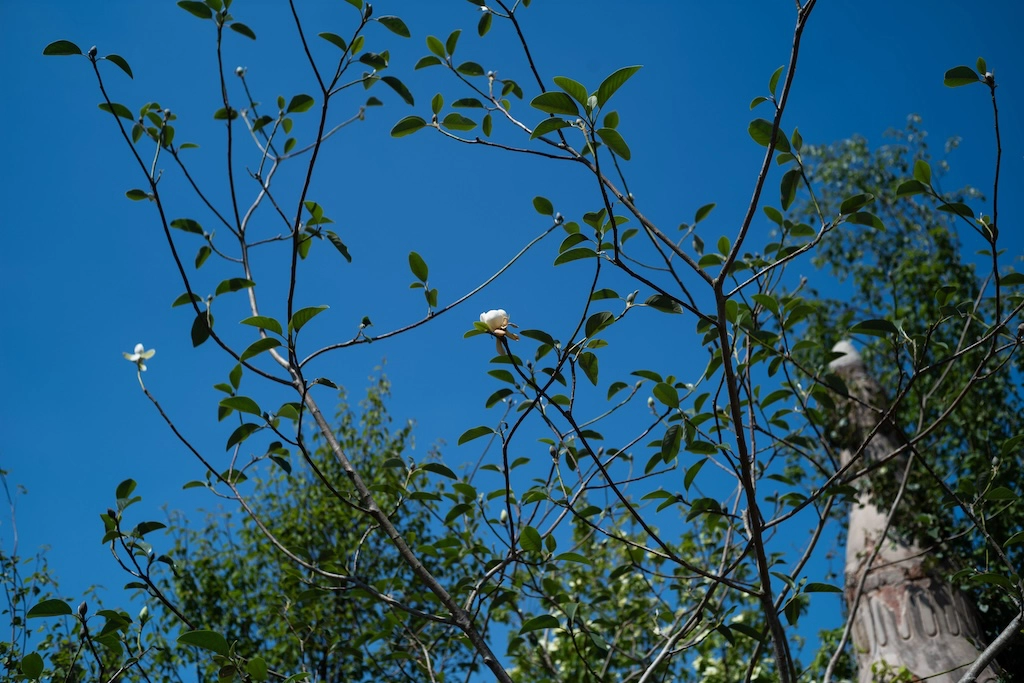
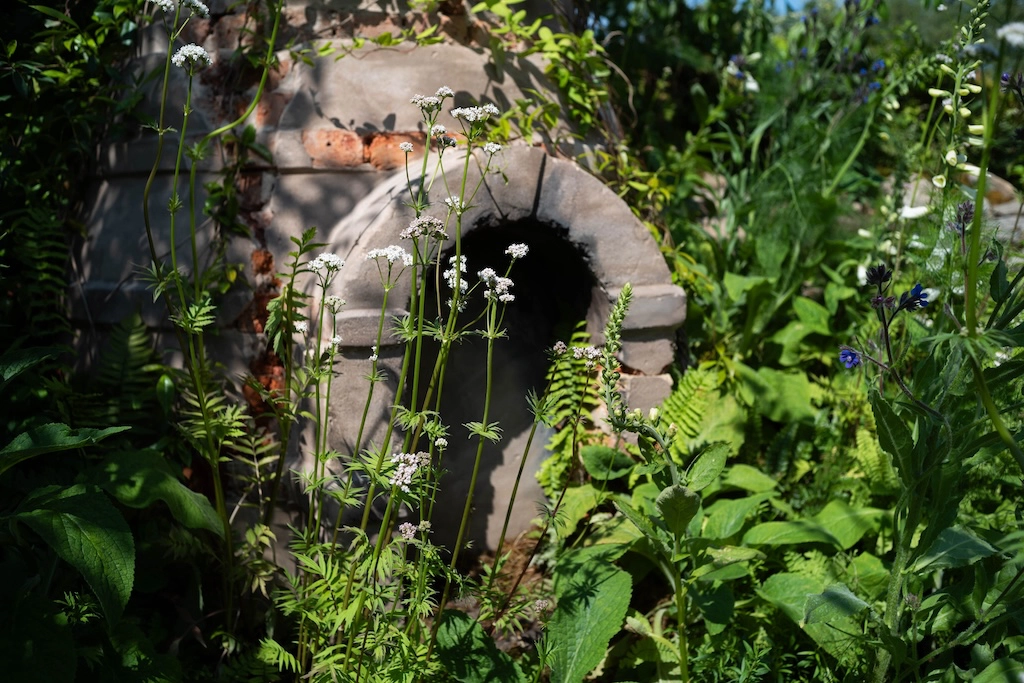
Symbolising the challenging environments in which the charity operates, the garden unfolds with a poignant narrative. A partially ruined stupa, gracefully overtaken by lush foliage, serves as a testament to resilience amidst adversity. A focal point emerges in the form of a traditional Burmese stilt house overlooking a tranquil pool fed by a cascading waterfall, inviting contemplation and serenity.
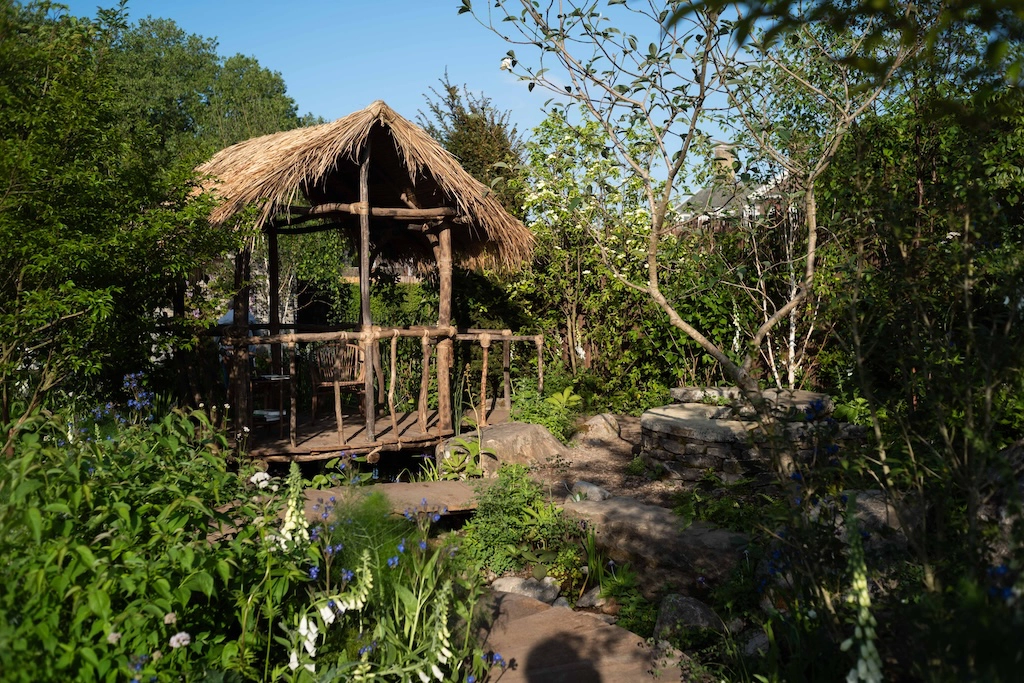
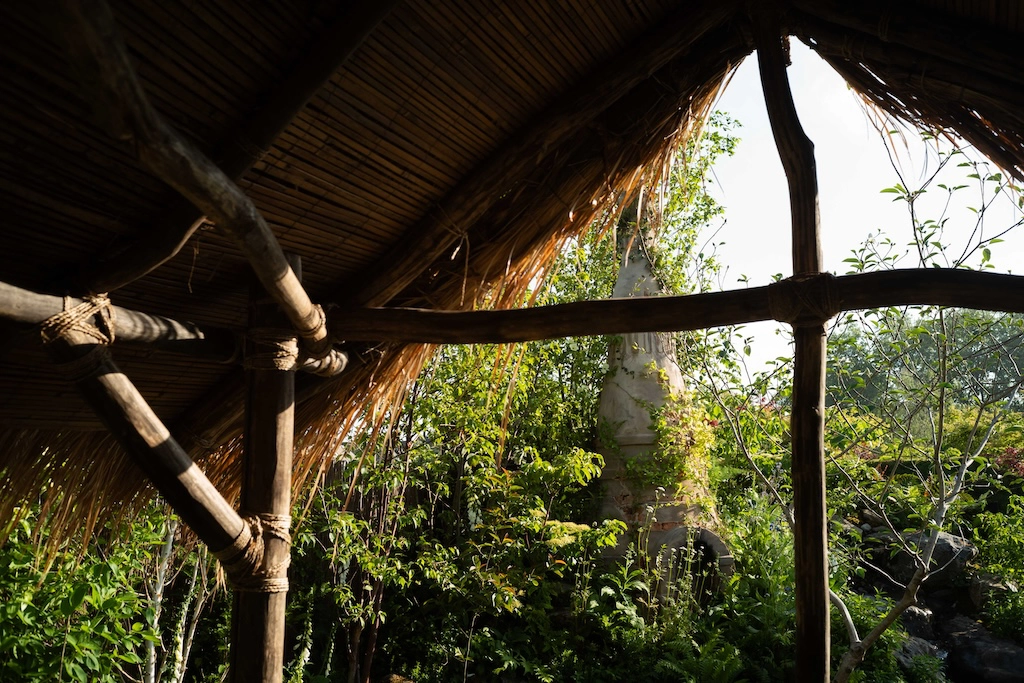
Traditional stilt house
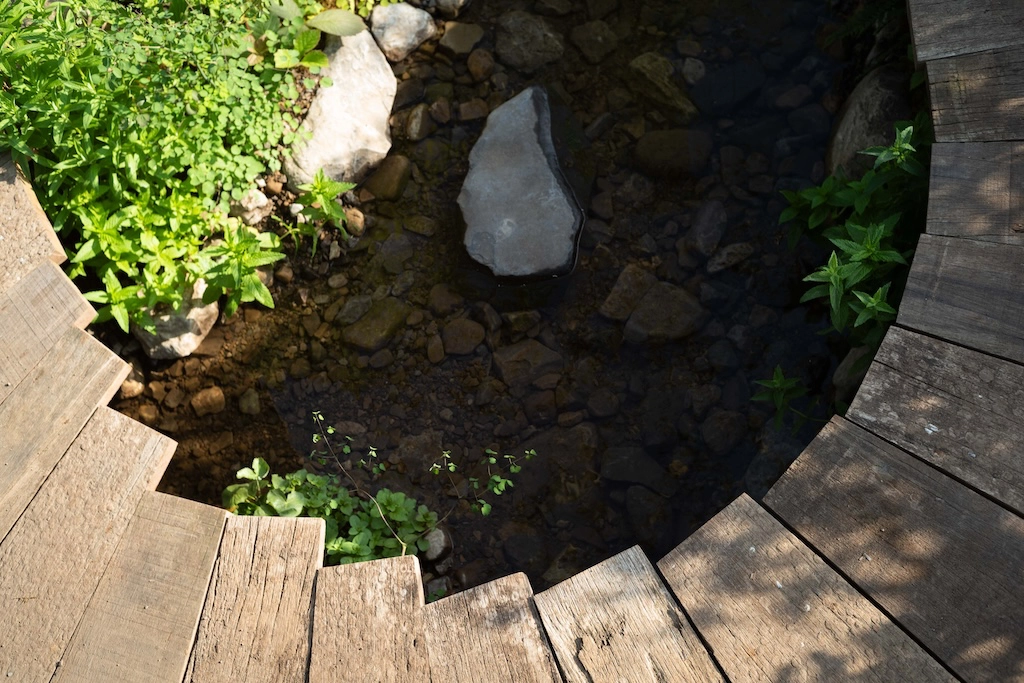
A traditional Burmese stilt house overlooks a tranquil pool with waterfall, creating a peaceful sanctuary that reflects the calm and care the charity brings to difficult situations.
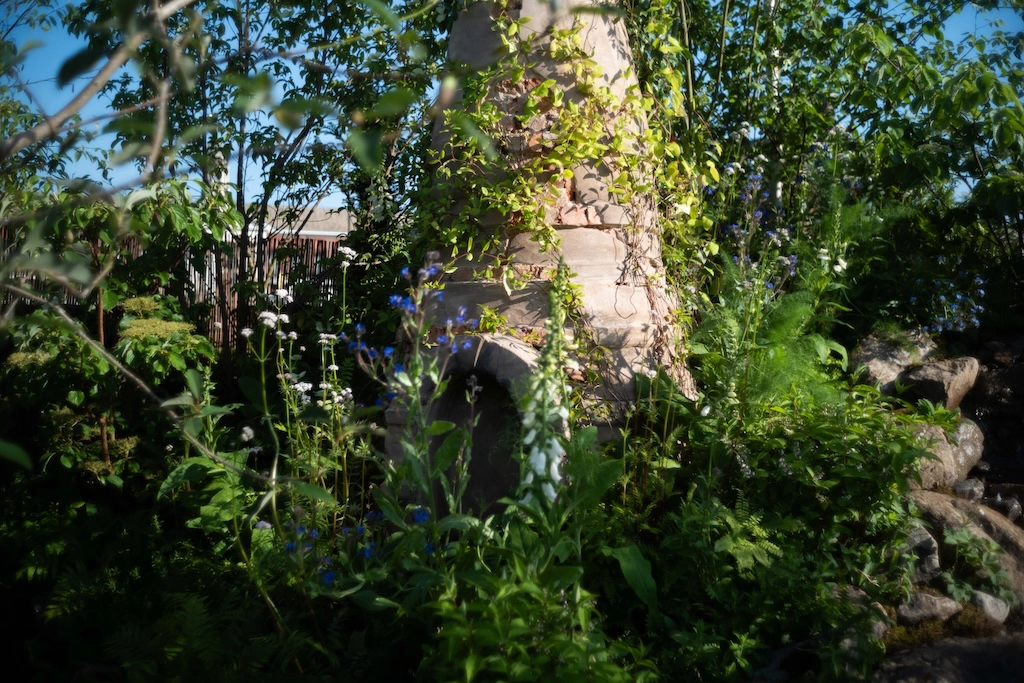
The ruined stupa
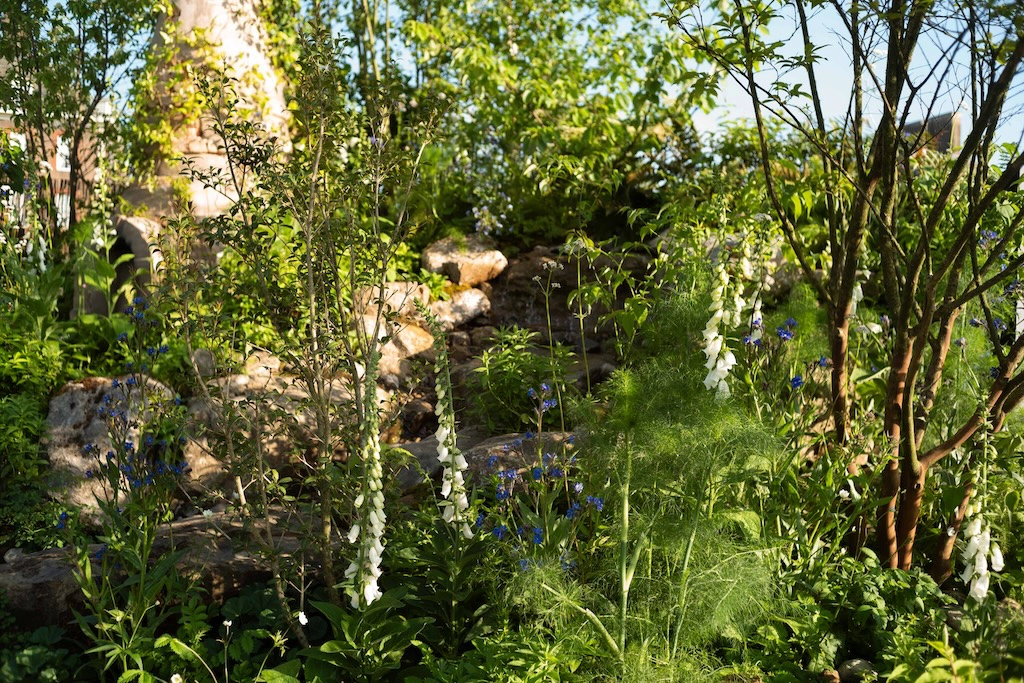
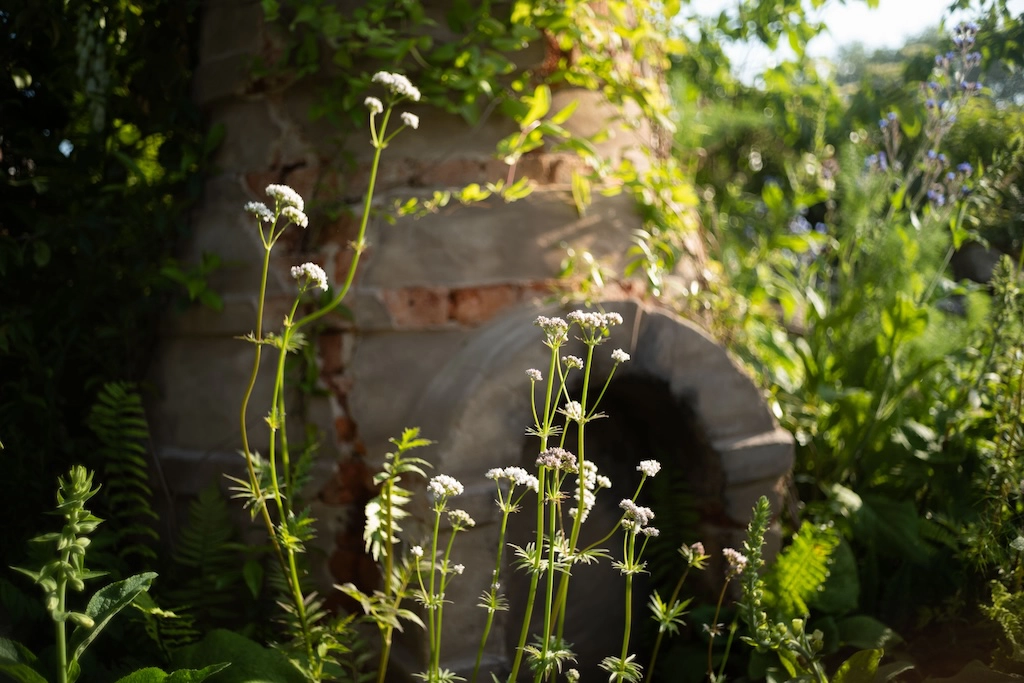
A partially ruined stupa surrounded by resilient vegetation symbolises both the challenges faced by Myanmar and the enduring spirit of its people and healthcare workers.
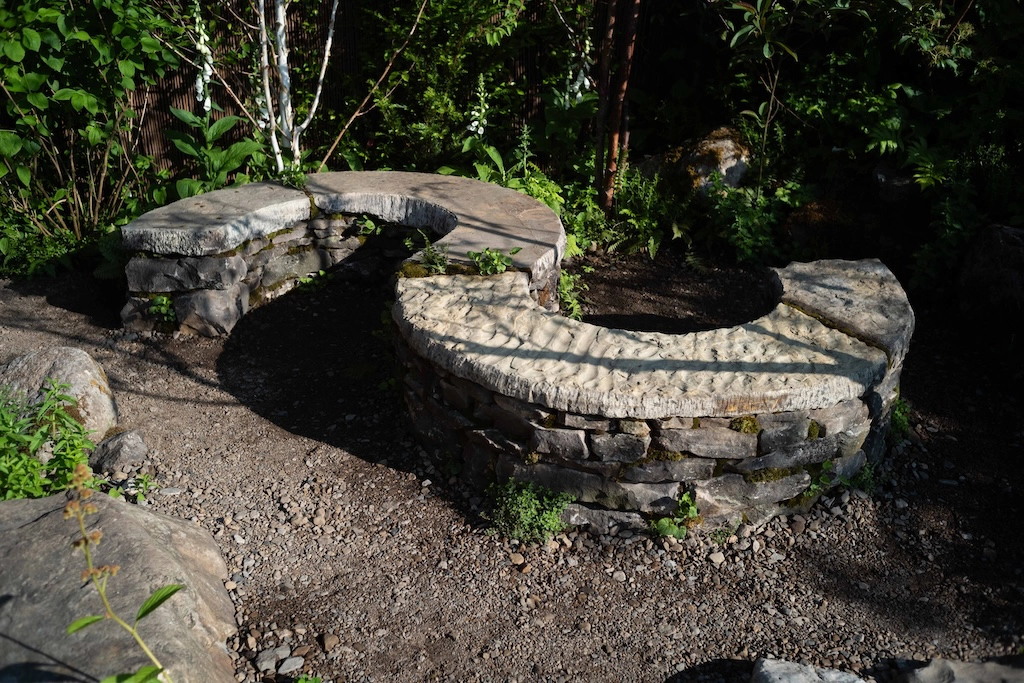
Partnership
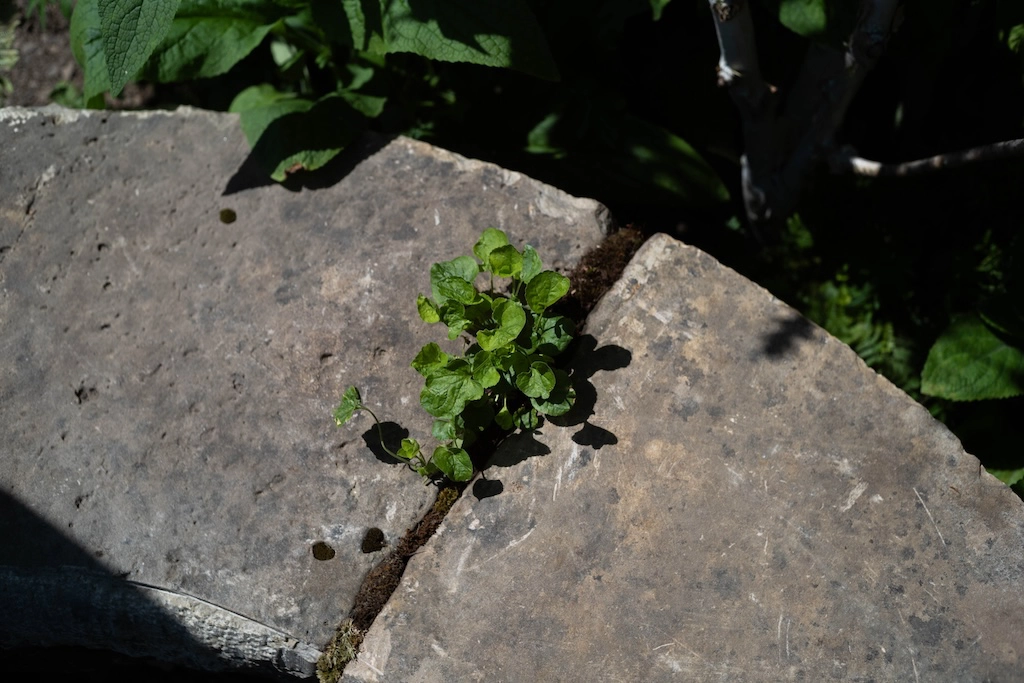
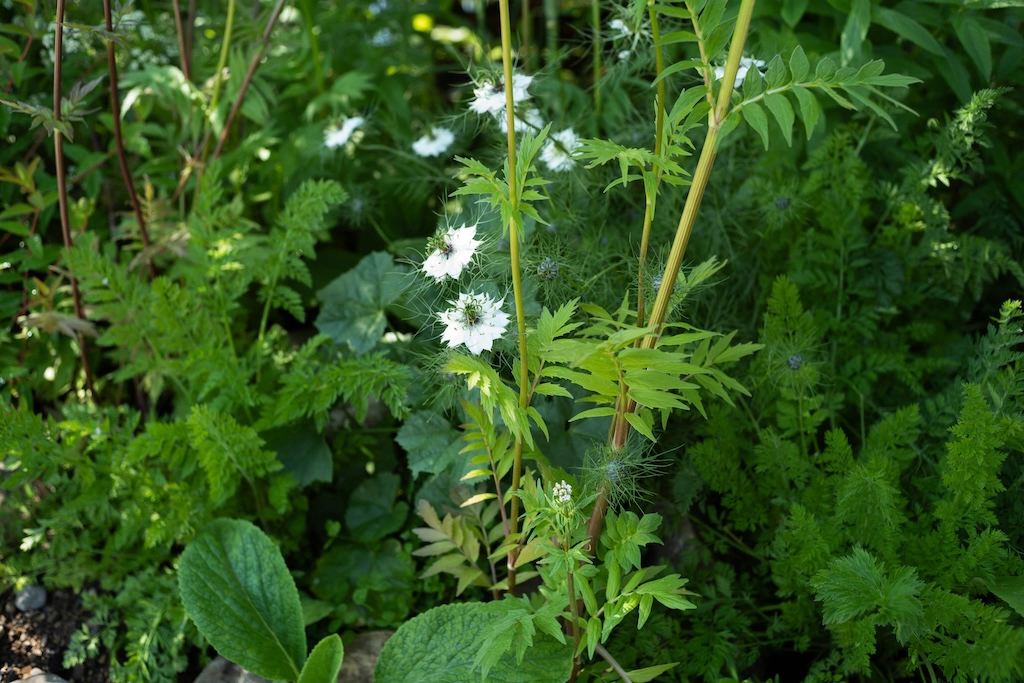
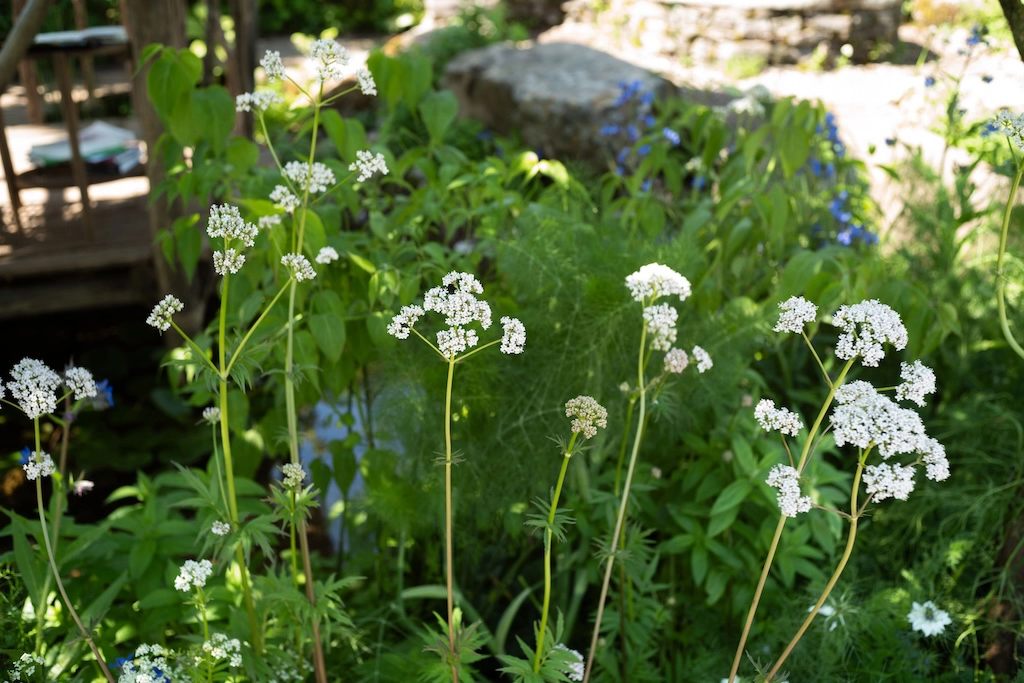
Representing partnership, a dry-stone bench is inspired by the 28th letter of the Burmese alphabet, 'la', which together with its accent means 'coming together' in Burmese. The naturalistic planting scheme is also a celebration of unity - all the plants are both found in Burma but will grow happily in the UK.
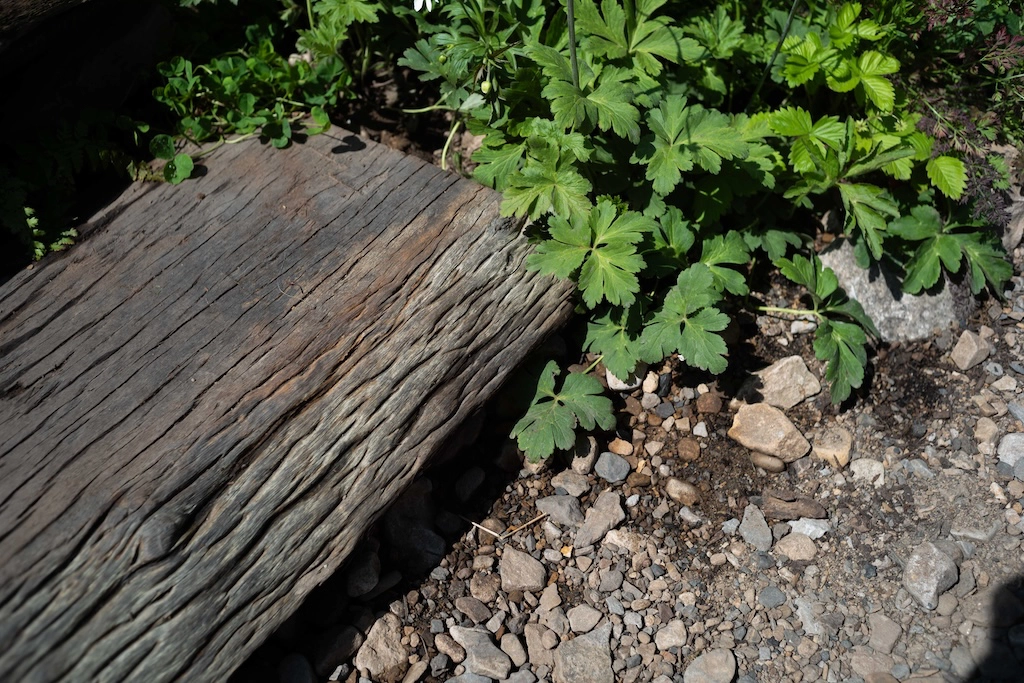
Texture
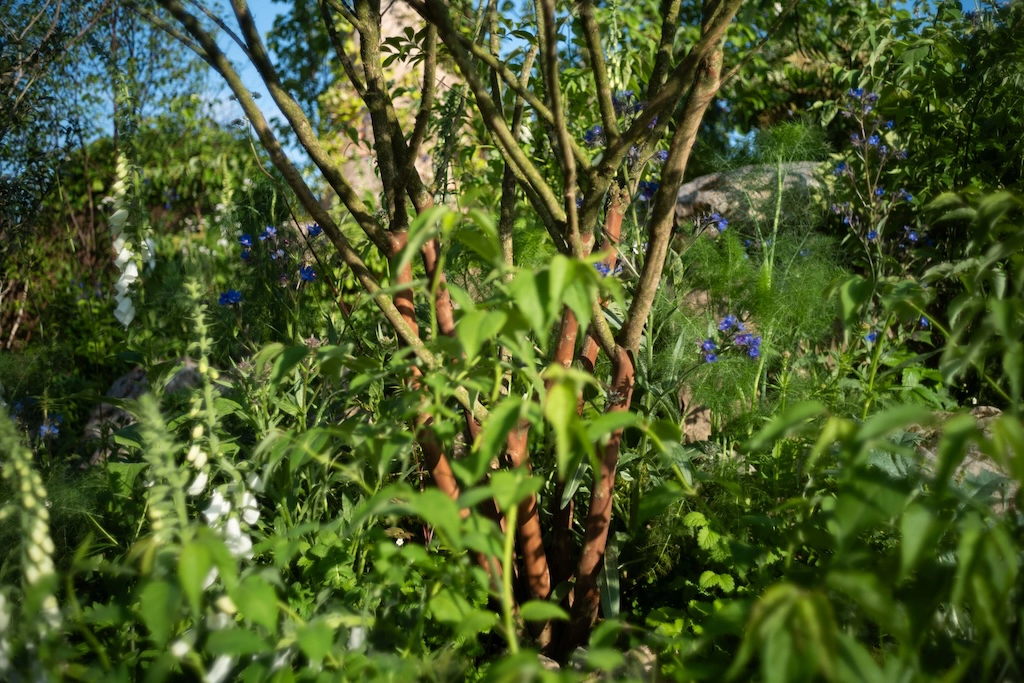
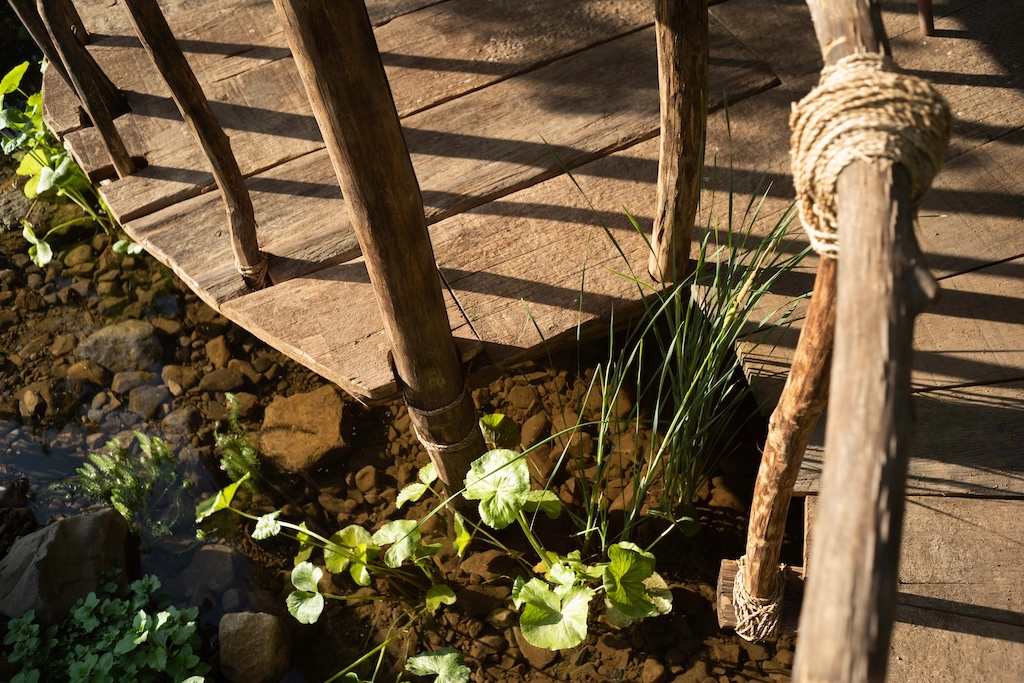
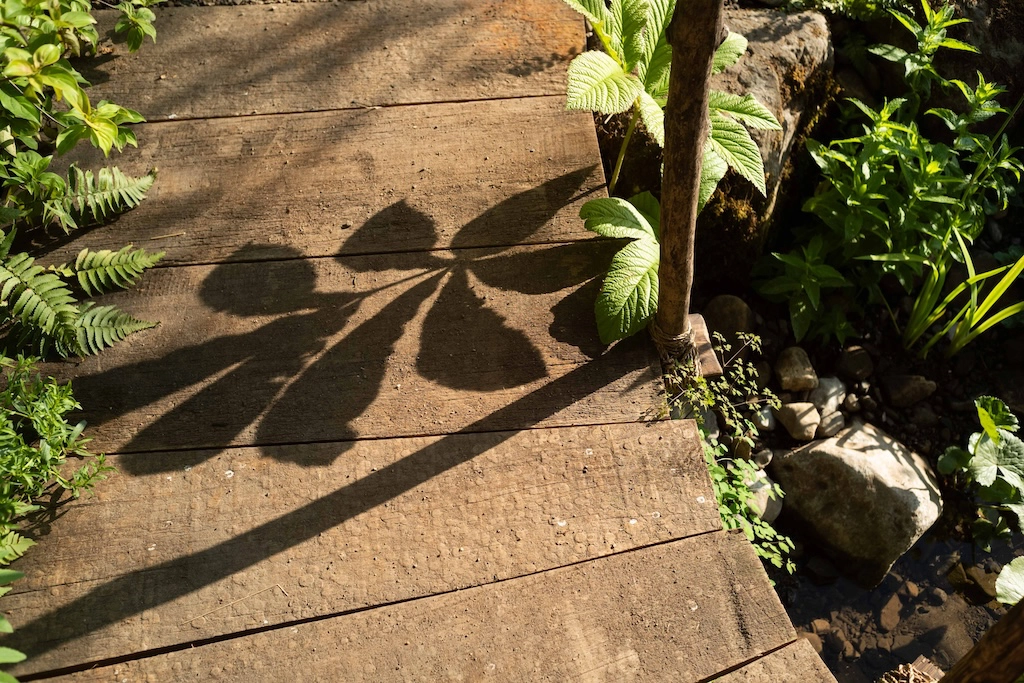
The garden is full of texture, including timber from a Thames jetty, crumbling reclaimed bricks and weathered stone with moss and lichen. Along with the textured bark of trees such as Acer davidii and Betula utilis, they represent the skin diseases that afflict those under the charity's care.
Sustainability
Key sustainability initiatives are seamlessly integrated throughout the garden. Locally sourced plants thrive in peat-free compost grown in recycled and recyclable pots. Reclaimed materials are employed extensively while sustainable building techniques ensure efficiency during construction and breakdown, minimising environmental impact.